






Table of Contents
Gas Booster Overheating
Ensuring the longevity and efficiency of industrial equipment is paramount for maintaining consistent productivity and understanding the root causes of thermal inefficiencies in pressure enhancement systems is the first step toward preventing costly downtime.
Introduction
In the demanding world of industrial operations, maintaining consistent gas pressure is critical for applications ranging from power generation and furnace operation to glass manufacturing. A gas booster plays a pivotal role in these sectors by stepping up pressure when the main line supply fluctuates or falls short. However, one of the most frequent and frustrating challenges operators face is overheating. When this equipment runs hotter than its design parameters allow, it not only risks catastrophic mechanical failure but also jeopardizes the safety of the entire facility, especially when handling volatile mediums.
Overheating is rarely a sudden occurrence; it is often a symptom of underlying issues that have been accumulating over time. Whether it is a result of operational strain, environmental factors or maintenance oversights, identifying the source of the heat is essential. As industries strive for trouble-free running of installations, recognizing the signs of thermal stress in a gas booster compressor early can save significant resources. This guide explores the technical reasons behind these temperature spikes and offers actionable solutions, highlighting how advanced engineering designs can mitigate these risks.
Gas Booster Compressor Filtration and Inlet Restrictions
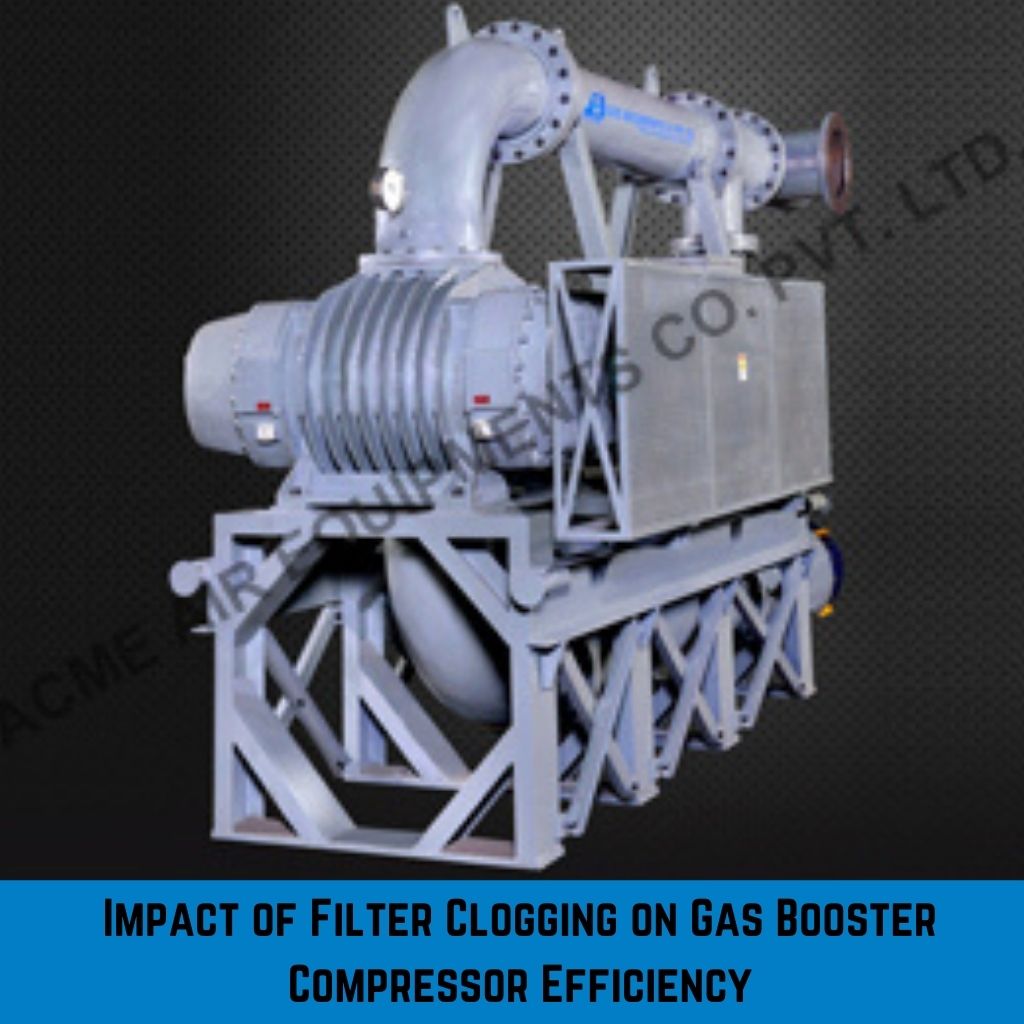
The first and most common culprit when temperatures begin to rise is a restricted intake. A gas booster compressor relies on a steady, unobstructed flow of gas to operate efficiently. The intake filters are the first line of defense, trapping particulates and debris that could damage the internal components. However, when these filters become clogged, the machine must work significantly harder to pull the gas into the compression chamber. This increased workload does not result in higher pressure; instead, it results in wasted energy, which manifests as heat.
When the suction side is starved of gas due to blockage, the compression ratio effectively changes, creating a vacuum effect that creates unnecessary thermal load. Regular inspection of the suction filters is a simple yet often overlooked maintenance step. Ensuring that the gas entering the system is clean and flows freely reduces the strain on the motor and the compression element, keeping operating temperatures within a safe range.
Booster Gas Compressor Pressure Ratios and Operational Strain
Every machine has its compression capabilities. A booster gas compressor is designed to take gas at a specific inlet pressure and discharge it at a higher target pressure. The relationship between these two figures is the compression ratio. If the inlet pressure drops too low-perhaps due to grid fluctuations-while the machine attempts to maintain the same high discharge pressure, the compression ratio increases drastically.
Thermodynamics dictates that compressing gas generates heat. When the ratio exceeds the design limits of the equipment, the heat generated during the compression cycle exceeds the unit’s ability to dissipate it. This is a common issue in single-stage boosters trying to do the work of a multi-stage system. Operators must ensure that the operational parameters match the machine’s capabilities. If the demand requires a significant pressure jump, checking the system design ensures that the booster is not being forced to work beyond its thermal capacity.
Compressor Booster Cooling System Failures
Effective heat dissipation is the lifeline of any compression system. A compressor booster generates heat as a natural byproduct of its operation and this heat must be removed efficiently to prevent the internal components from expanding and seizing. Cooling system failures are a direct path to overheating. This can manifest in several ways, such as blocked cooling fins on air-cooled units or scale buildup in the heat exchangers of water-cooled systems.
In many industrial setups, cooling fans or water pumps may fail or degrade over time, leading to insufficient heat transfer. Even a layer of dust on the external radiator can act as an insulating blanket, trapping heat inside the unit. If the gas is not cooled sufficiently between stages or before discharge, the thermal load compounds, leading to rapid overheating.
Gas Booster Pump in India and Environmental Factors
The environment in which the equipment operates plays a substantial role in its thermal management. For a gas booster pump in India, where ambient temperatures can be quite high during summer months, the cooling capacity of air-cooled systems can be tested to their limits. If the ambient air used for cooling is already hot, its ability to absorb heat from the booster is significantly reduced.
Furthermore, poor ventilation in the compressor room can lead to the recirculation of hot discharge air. If the hot air expelled by the cooling fan is sucked right back into the intake or cooling stream, the machine enters a thermal loop that spirals quickly. Providing adequate ventilation and ensuring the installation site is compatible with the local climate conditions are critical steps for maintaining thermal stability in hot environments.
Our Other Product
Turbo BlowersBooster Compressor Manufacturers and the Role of Quality Design
Ultimately, the resilience of a system against overheating often comes down to the engineering behind it. Reliable booster compressor manufacturers understand that heat management is not an afterthought but a core design principle. Poorly designed units with inadequate tolerances or inferior materials will generate more friction and heat, regardless of how well they are maintained.
Acme Air Equipments Company Pvt. Ltd. have addressed these challenges through superior engineering. As a certified company established in 1990, Acme has developed distinct advantages in its machinery. Their specific Twin/Tri Lobe designs are engineered to handle high operational loads with minimal friction. This geometric precision ensures that the internal components move smoothly without generating excessive heat from mechanical resistance. Furthermore, their systems often feature a dry working chamber, which eliminates the risk of oil degradation contributing to thermal issues.
Acme’s designing logic also incorporates fully automatic modes. When incoming gas pressure is sufficient, the system enters a standby position rather than idling and generating unnecessary heat. This auto-control feature ensures the booster air compressor is active only when needed to maintain pressure, significantly reducing the overall thermal duty cycle of the machine.
Read Our Article
What You Need to Know About Gas Boosters?Air Booster Compressor Maintenance and Quick Fixes
When faced with an overheating air booster compressor, immediate action is required to prevent damage. Here are several quick fixes and checks:
- Check Ventilation: Open windows or vents in the compressor room to lower the ambient temperature.
- Clean Exterior Surfaces: Wipe down cooling fins and radiators to ensure maximum heat transfer.
- Inspect Oil Levels: For lubricated models, ensure the oil is not low or degraded, as oil acts as a coolant as well as a lubricant.
- Verify Inlet Pressure: Ensure the supply line is providing adequate pressure so the booster isn’t overworking.
- Listen for Mechanical Noise: Unusual sounds can indicate bearing wear, which generates friction heat.
Air Compressor Manufacturers and Future-Proofing
Choosing the right partner is essential for long-term reliability. Acme Air Equipments, as a leading booster compressor manufacturers provide systems that are not only robust but also compatible with hazardous environments. Their gas boosters feature controls suitable for flame-proof operation and materials of construction (MOC) compatible with explosive mediums. This attention to safety and durability ensures that even under stress, the equipment manages heat effectively.
Conclusion:
By selecting a high-quality system and adhering to a strict maintenance schedule, industries can ensure its gas pressure remains constant, ensuring quality and productivity without the constant threat of overheating.
Frequently Asked Questions About Gas Booster Compressor
How often should I clean the filters on my gas booster?
Filters should be inspected weekly and cleaned or replaced whenever there is a noticeable pressure drop to prevent overheating.
Can high ambient temperature cause my booster to shut down?
Yes, if the surrounding air is too hot, the cooling system may fail to dissipate heat effectively, triggering thermal safety shutdowns.
What makes the Twin/Tri Lobe design better for heat management?
This design minimizes friction and allows for smoother gas displacement, generating less internal heat compared to other mechanical designs.
Is it normal for the booster to be hot to the touch?
While operation generates heat, the unit should never be too hot to approach; extreme heat indicates a malfunction or cooling failure.
How does the automatic standby mode help with overheating?
It turns the system off when inlet pressure is adequate, preventing continuous running and unnecessary heat build-up during low-demand periods.
About Author
CEO
Mr. Vishwesh Pardeshi is the CEO of Acme Air Equipments Company Pvt. Ltd., an industrial and engineering goods manufacturing company based in Ahmedabad, Gujarat (India). He has taken over the responsibility from founding Partners and Directors of the Company, and is now leading a talented group of professionals since 2020 by bringing in vast industrial and management expertise. By qualification, he holds a Bachelor Degree in Mechanical Engineering and also holds a MBA degree from reputed institutes. Under his leadership, the Company has successfully executed prestigious projects by delivering high quality and world class products from a state of the art manufacturing facility which combines CNC-enabled precision manufacturing and strong after sales support. In line with the Vision, Mission and Core Values of the Organization, Mr. Vishwesh Pardeshi continues to drive Quality, Reliability and Global Expansion at Acme Air Equipments Co. Pvt. Ltd.