







Table of Contents
Dust Collection Systems: The Future of Green Manufacturing
Creating a manufacturing environment that prioritizes both planetary health and worker safety is no longer just a trend; it is a fundamental operational requirement for modern industry. As factories evolve, the machinery that supports them must also advance. The primary goal of this discussion is to explore how advanced filtration technologies contribute to sustainable industrial practices by effectively managing airborne contaminants and significantly reducing operational noise levels.
Dust Collector System: The Heart of Eco-Friendly Operations
In the pursuit of green manufacturing, the management of particulate matter is a cornerstone of environmental stewardship. A robust dust collector system serves as the first line of defense against the pollution that naturally arises from cutting, grinding, mixing and processing raw materials. When industries ignore the dispersion of fine particles, they risk contaminating not only their immediate internal environment but also the surrounding ecosystem.
Green manufacturing is defined by a commitment to minimizing waste and reducing the ecological footprint of industrial activities. Here, the technology employed to capture airborne waste plays a pivotal role. By trapping particles at the source, facilities prevent pollutants from escaping into the atmosphere, ensuring that the air discharged back into the environment is cleaner than standards often require. This proactive approach protects local waterways, soil and vegetation from the settling of hazardous industrial dusts. Furthermore, it ensures that the facility remains a responsible neighbour, upholding community standards and avoiding the environmental degradation often associated with heavy industry.
Dust Collectors: Why They Are Crucial for Environmental Impact
Modern dust collectors are engineered to do far more than simply keep a shop floor looking tidy. They are critical components in the global shift toward sustainability. The environmental impact of uncontrolled industrial dust is profound. Without proper containment, particulate matter can contribute to smog formation, reduce air quality in surrounding residential areas and even contribute to climate change depending on the nature of the material being processed.
Integrating high-efficiency filtration units supports a circular economy. Many modern systems allow manufacturers to capture waste material in a state that allows for recycling or safe repurposing. Instead of venting valuable raw materials into the atmosphere as waste, these systems capture them, allowing companies to reclaim material and reduce their overall consumption of resources. This reduction in material waste directly correlates to a lower carbon footprint, as fewer raw materials need to be harvested, processed and transported to the facility.
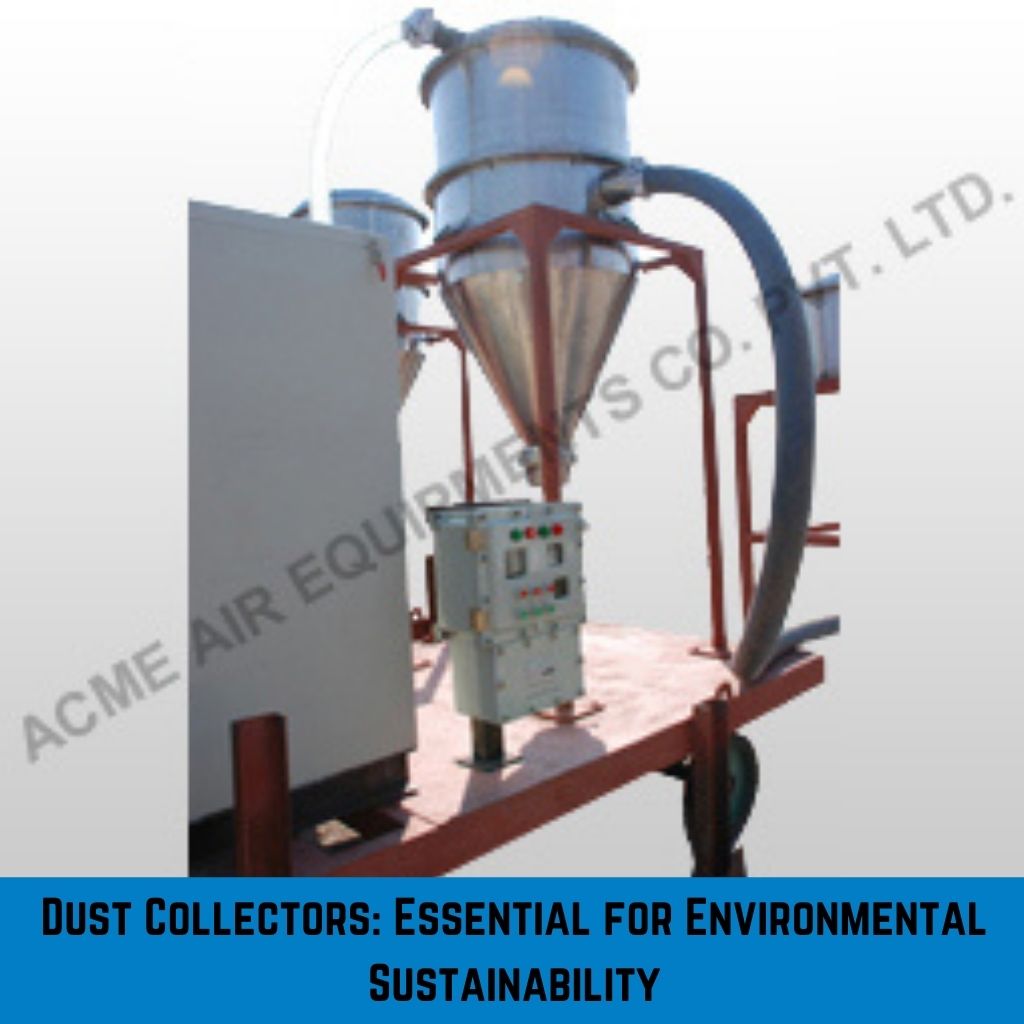
Moreover, the longevity of factory equipment is significantly extended when the air is clean. Particulate matter is abrasive; when it settles on sensitive electronic components, gears and motors, it accelerates wear and tear. By maintaining a contaminant-free environment, factories reduce the frequency of machine replacement and the associated waste of discarding heavy machinery.
Dust Extraction System: Combating Noise Pollution in the Factory
While clean air is visible proof of a safe factory, the soundscape is equally important. A major challenge in industrial hygiene is noise pollution. Traditionally, air movement equipment was loud, contributing to operator fatigue and long-term hearing issues. However, the modern dust extraction system has evolved to prioritize noiseless operation alongside filtration efficiency.
Noise pollution in a factory setting is a massive problem that affects productivity and safety. High decibel levels make communication difficult, increasing the risk of accidents because workers cannot hear warnings or instructions. Furthermore, chronic exposure to the drone of heavy machinery causes stress and physical exhaustion. The advantage of newer extraction technologies lies in their acoustic engineering. Manufacturers are now utilizing sound-dampening materials, precision-balanced fans and insulated housing units to silence the roar of air filtration.
This focus on quiet operation is a key aspect of the green workplace. A sustainable environment is one where human health is preserved. By reducing the auditory strain on employees, companies foster a workspace that is sustainable for the workforce-reducing turnover and health claims while boosting morale. A quiet dust extraction setup ensures that the facility complies with strict noise regulations without sacrificing the power needed to keep the air clean.
Our Other Product
Twin Lobe Roots BlowerAutomatic Dust Collector: Enhancing Efficiency and Energy Savings
Efficiency is the twin of sustainability. An automatic dust collector represents the leap from manual, energy-intensive maintenance to smart, energy-efficient operation. Older systems often ran at full capacity regardless of the actual need, wasting vast amounts of electricity. In contrast, automated solutions utilize variable frequency drives and smart sensors to adjust their operation based on real-time demand.
If a production line is only operating at partial capacity, the collection unit adjusts its airflow accordingly, consuming only the energy necessary for that specific load. This intelligent energy management is vital for green manufacturing goals. Reducing energy consumption lowers the facility’s demand on the power grid, directly reducing the indirect greenhouse gas emissions associated with electricity generation.
Furthermore, automation extends to the cleaning of filters. Pulse-jet cleaning systems, triggered by pressure differentials, ensure that filters are cleaned only when necessary and to the precise degree required. This extends the life of the filter media, reducing the frequency with which non-biodegradable filters end up in landfills.
Central Dust Collection System: Streamlining Plant-Wide Hygiene
For larger facilities with multiple workstations, a central dust collection system offers a unified solution that maximizes layout efficiency and filtration consistency. Instead of managing dozens of individual units-each with its own maintenance schedule, energy draw and noise output-a centralized approach funnels all contaminants to a single, highly efficient location.
This centralization is key for comprehensive environmental control. It eliminates “islands” of pollution where individual stand-alone units might fail or be neglected. With a central network of ducting, every corner of the manufacturing floor is connected to a primary filtration hub. This ensures that air quality is uniform across the entire plant, rather than fluctuating from zone to zone.
From a green perspective, centralized systems are often easier to equip with advanced safety features, such as explosion venting and HEPA after-filters, which might be cost-prohibitive to install on every single portable unit. This ensures that the air returned to the environment or recirculated into the facility meets the highest possible purity standards.
Industrial Dust Collector System: Meeting Rigorous Compliance Standards
The regulatory landscape for manufacturing is becoming increasingly stringent regarding emissions. An industrial dust collector system is the primary tool for ensuring compliance without halting production. Regulatory bodies worldwide are tightening the limits on allowable emissions, focusing on particulate matter sizes that were previously unregulated.
Implementing a heavy-duty industrial system demonstrates a company’s commitment to corporate social responsibility. It signals to investors, customers and regulators that the business is proactive about compliance. This is not merely about avoiding fines; it is about future-proofing the business. As environmental standards evolve, having a scalable and powerful collector system ensures that the facility can adapt to new regulations without requiring a complete infrastructure overhaul.
Read Our Article
Environmental Impact of Dust Collectors: Reducing Dust EmissionsDust Removal Systems: Protecting Worker Health and Safety
At the core of green manufacturing is the human element. Dust removal systems are essentially life-support systems for the factory floor. Many industrial dusts are not just nuisance dusts; they can be toxic, allergenic or carcinogenic. Long-term exposure to fine particulates can lead to chronic respiratory conditions that severely impact the quality of life for workers.
By effectively removing these hazards at the source, manufacturers prevent the development of occupational illnesses. A safe workplace is a sustainable workplace. When workers are healthy, productivity remains high and the loss of skilled labor due to health-related attrition is minimized.
Vacuum Dust Collector System: Precision Cleaning for Hazardous Materials
For specific applications involving heavy or highly toxic materials, a vacuum dust collector system provides the high-pressure suction required for precision containment. Unlike high-volume low-pressure systems that manage ambient air, vacuum systems are designed to capture heavy particulates directly at the point of generation, often through on-tool extraction.
This precision is vital for green manufacturing when dealing with hazardous materials. It prevents the migration of toxic dusts onto walkways, rafters and other equipment. By containing these materials immediately, the risk of secondary contamination-where dust settles and is later disturbed and made airborne again-is virtually eliminated. This level of hygiene is essential for facilities aiming for the highest cleanliness standards.
Dust Collection System Manufacturers: Partners in Sustainability
Choosing the right technology requires engaging with experienced dust collection system manufacturers. The shift toward green solutions has driven manufacturers to innovate, creating equipment that uses less power, lasts longer and filters more effectively.
When selecting a partner, facility managers should look for manufacturers who prioritize modular design. Modular systems allow for expansion and reconfiguration as production needs change, preventing the obsolescence of the equipment. A manufacturer dedicated to sustainability will also offer guidance on proper airflow design to minimize resistance, thereby reducing the horsepower required to run the fans.
Dust Collection Unit: The Importance of Maintenance and Filter Technology
Even the most advanced dust collection unit requires proper maintenance to function as a green solution. The choice of filter media is particularly important. Modern membrane filters offer higher efficiency with lower pressure drop. This means the system can capture smaller particles while letting air pass through more easily, reducing the energy load on the fan.
Regular maintenance ensures that the unit operates at peak efficiency. Leaking ducts or clogged filters force the system to work harder, consuming more energy and potentially allowing pollutants to bypass the filtration mechanism. A well-maintained unit is an energy-efficient unit.
Conclusion
In conclusion, the implementation of a comprehensive dust control system is indispensable for any manufacturer aspiring to green revolution. By addressing the dual challenges of air pollution and noise pollution, these systems create a safer, cleaner and more efficient industrial world. From protecting the local ecosystem to ensuring the well-being of the workforce, the benefits of advanced dust extraction are universal. Investing in these technologies is not just about compliance; it is about committing to a cleaner future for manufacturing.
Frequently Asked Questions
What are the primary benefits of using a central dust collection system in a large facility?
A centralized system streamlines maintenance to a single location and ensures consistent air pressure and filtration quality across the entire plant floor.
How does an automatic dust collector contribute to energy savings?
These units use sensors and variable frequency drives to adjust motor speed based on active machine use, preventing unnecessary energy consumption during downtime.
Can dust extraction systems effectively reduce noise levels in a factory?
Yes, modern systems utilize sound-insulating materials and precision-engineered fans to significantly lower decibel levels, improving worker safety and comfort.
Why dust removal system considered part of green manufacturing?
It captures airborne pollutants before they enter the atmosphere, prevents soil and water contamination and often allows for the recycling of waste materials.
How often should I consult dust collection system manufacturers for maintenance?
It is best to follow the manufacturer's specific schedule, but generally, an annual professional inspection ensures optimal efficiency and compliance with safety standards.
About Author

CEO
Mr. Vishwesh Pardeshi is the CEO of Acme Air Equipments Company Pvt. Ltd., an industrial and engineering goods manufacturing company based in Ahmedabad, Gujarat (India). He has taken over the responsibility from founding Partners and Directors of the Company, and is now leading a talented group of professionals since 2020 by bringing in vast industrial and management expertise. By qualification, he holds a Bachelor Degree in Mechanical Engineering and also holds a MBA degree from reputed institutes. Under his leadership, the Company has successfully executed prestigious projects by delivering high quality and world class products from a state of the art manufacturing facility which combines CNC-enabled precision manufacturing and strong after sales support. In line with the Vision, Mission and Core Values of the Organization, Mr. Vishwesh Pardeshi continues to drive Quality, Reliability and Global Expansion at Acme Air Equipments Co. Pvt. Ltd.