







Table of Contents
AI-Generated Summary:
This article provides a comprehensive guide on calculating the required CFM (Cubic Feet per Minute) for your industrial dust collection system. Determining the correct CFM is essential to ensure that your system effectively captures dust and particulate matter, improving air quality and compliance with health and safety standards. The article outlines the step-by-step process for calculating CFM, covering factors such as airflow, duct size, and the nature of the dust particles. Additionally, it explores the impact of CFM requirements on system efficiency, energy consumption, and operational effectiveness in various industrial applications.
Introduction
Industrial dust collection systems are essential for maintaining clean and safe working environments in manufacturing, construction, mining, and many other industries. One of the key factors in ensuring the efficiency and effectiveness of a dust collection system is accurately determining the CFM (Cubic Feet per Minute) requirements. CFM refers to the volume of air that the system must move to effectively capture and remove dust, fumes, and other particulate matter.
Calculating the correct CFM is not just a matter of selecting an arbitrary number; it requires careful consideration of various factors such as the type of dust, the size of the system, and the characteristics of the equipment. If the CFM is too low, the system will be unable to capture dust efficiently, leading to poor air quality and potential health hazards. On the other hand, an over-sized system can lead to unnecessary energy consumption and operational costs.
In this article, we will walk you through the process of calculating the CFM requirements for your industrial dust collection system, step by step.
Step 1: Understanding CFM and Its Importance
CFM stands for Cubic Feet per Minute, a unit that measures the flow rate of air in a dust collection system. To maintain a safe and clean working environment, the CFM required by a dust collection system depends on the volume of air that needs to be moved to capture and filter out harmful particulates. If the CFM is too low, dust particles may remain suspended in the air, resulting in poor air quality and potential health risks for employees.
The key goal when calculating CFM requirements is to ensure that your system is powerful enough to effectively remove dust and contaminants without wasting energy or resources. To achieve this, you need to consider factors such as airflow, duct size, system type, and the physical properties of the material being collected.
Step 2: Determine the Type and Amount of Dust Being Collected
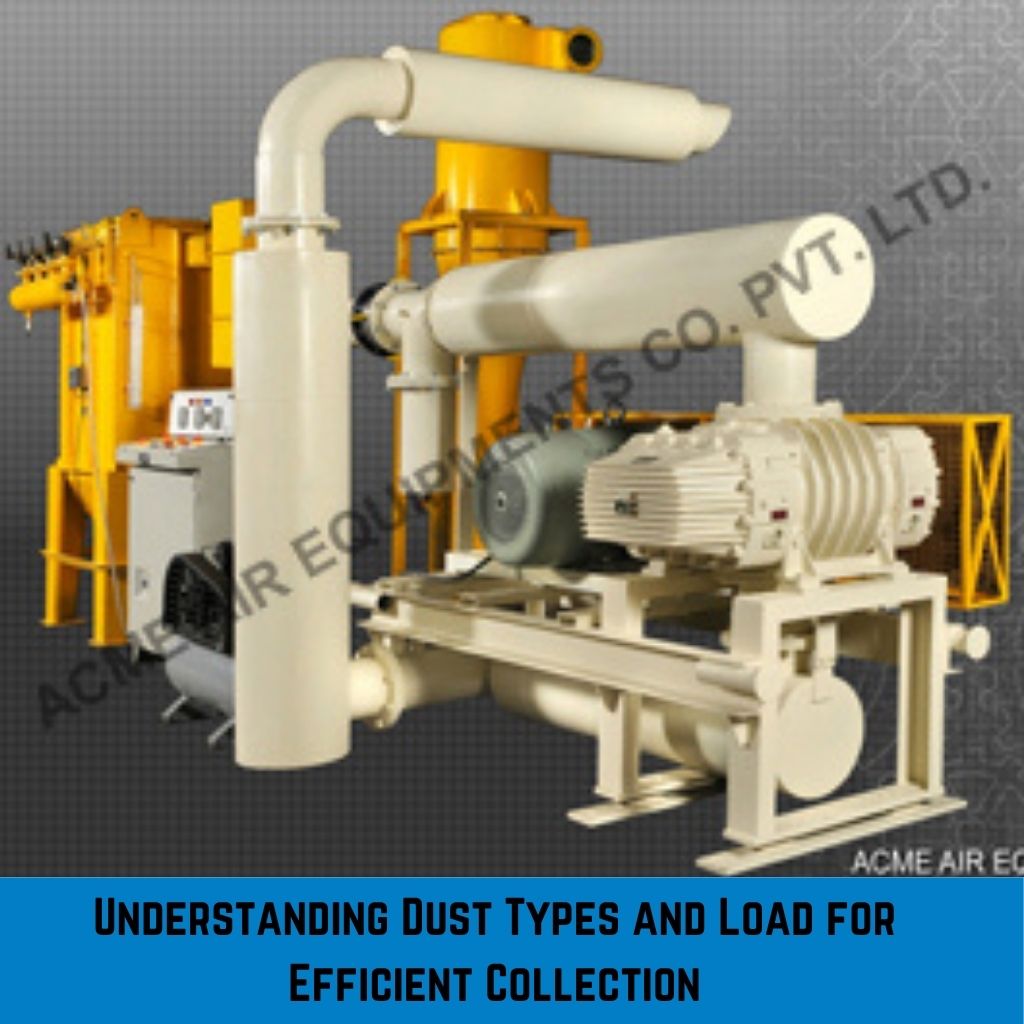
Before calculating the CFM, it’s important to understand the type of dust or particulate matter that your dust collection system needs to handle. The CFM requirement varies based on the type of dust, as different materials have different collection efficiencies.
- Dust Type: Consider whether you’re dealing with fine dust, coarse particles, or fume-like particles. Finer particles typically require more airflow to be collected effectively.
- Dust Load: Dust load refers to the quantity of dust generated during the industrial process. Higher dust loads require more airflow to efficiently capture the particulates.
- Material Characteristics: Some materials are more difficult to collect than others. For example, dry powders or materials that produce light, fluffy dust may require more CFM than heavier, coarser dust.
Step 3: Calculate the Airflow Required for Each Dust Source
Each dust source in your system will require a specific airflow. To calculate the required CFM for each source, use the following formula:
CFM=(AreaoftheSource)×(VelocityofAir)CFM = (Area of the Source) \times (Velocity of Air)CFM=(AreaoftheSource)×(VelocityofAir)
Where:
- Area of the Source: This is the area from which the dust is being collected (usually in square feet).
- Velocity of Air: The recommended air velocity for dust collection varies depending on the type of material being collected. Typical air velocities for dust collection systems are between 3,000 and 4,000 feet per minute (FPM), but this value can vary based on the application.
Step 4: Consider the Total Ductwork and System Layout
The design of your dust collection system, including the layout of ductwork, will impact the CFM requirements. Factors such as the length and diameter of the duct, the number of bends, and the type of fittings used will add resistance to the airflow, which must be compensated for by increasing the CFM.
- Duct Size: Larger ducts allow for more airflow, but you must balance duct size with system capacity. Larger ducts often mean more expensive equipment.
- Duct Length: Longer ducts create more resistance, so you’ll need more CFM to overcome this resistance.
- Number of Bends/Fittings: More bends and fittings in the system increase resistance, requiring more airflow to maintain the same efficiency.
To account for ductwork and layout, it’s important to consult with dust collection engineers or manufacturers who can assist in adjusting CFM calculations for these variables.
Step 5: Calculate the Total System CFM
Once you’ve determined the airflow required for each dust source and factored in the resistance from ductwork, you can calculate the total CFM required for the system. Add up the individual CFMs for each dust source, and then add a safety margin (typically 10-20%) to account for unforeseen changes in the system’s efficiency or dust load.
Total CFM = Sum of CFM of all dust sources + Safety Margin
Or in a more specific breakdown:
Total CFM = (CFM of dust source 1) + (CFM of dust source 2) + (CFM of dust source 3) + … + (Safety Margin)
For example:
If you have three dust collection points with 10,000 CFM, 15,000 CFM, and 12,000 CFM, the formula would look like this:
Total CFM = 10,000 + 15,000 + 12,000 + (15% Safety Margin)
This would give:
Total CFM = 37,000 + 5,550 = 42,550 CFM
Step 6: Adjust for System Efficiency and Energy Use
Finally, consider the efficiency of the dust collection system. Higher CFM values may require more power and energy consumption, which can impact operational costs. When designing the system, try to balance the need for effective dust collection with energy efficiency.
You should also take into account the type of dust collector used (e.g., baghouse, cartridge filter, cyclonic separators) and its efficiency in filtering dust at the required CFM. Some systems are more energy-efficient than others, providing optimal dust collection at lower airflow levels.
Step 7: Confirm Compliance with Health and Safety Regulations
The CFM calculated for your industrial dust collection system should not only ensure efficiency but also comply with health and safety regulations. In many industries, maintaining acceptable air quality levels is a legal requirement, with regulatory bodies like OSHA and EPA setting strict standards for dust control. Ensure that your calculated CFM meets or exceeds these requirements for worker safety.
Conclusion
Calculating the correct CFM for your industrial dust collection system is essential for achieving optimal performance while ensuring a safe working environment. By following the steps outlined in this guide—understanding the dust type, calculating airflow, considering duct layout, and accounting for system efficiency—you can accurately determine the CFM your system needs. Properly calculated CFM helps prevent issues such as poor dust collection, increased operational costs, and non-compliance with safety regulations.
Implementing an accurately sized dust collection system will not only improve air quality and productivity but also ensure the longevity of your equipment and the safety of your workforce.
FAQs
What is the relationship between CFM and dust collection efficiency?
CFM is directly linked to the ability of a dust collection system to capture dust and maintain air quality. Higher CFM allows for more effective dust removal but requires careful balancing to avoid energy inefficiency.
How does ductwork affect CFM calculations?
maintain the same Longer ducts, more bends, and fittings introduce resistance to airflow, which increases the CFM requirement to efficiency.
What factors influence the air velocity needed for dust collection?
The type of dust being collected, the characteristics of the material, and the overall system design determine the air velocity needed for effective collection.
Is a larger CFM always better for dust collection systems?
Not necessarily. While higher CFM can improve dust collection, it may lead to excessive energy consumption and operational costs. It's crucial to balance the required CFM with system efficiency.
How do I account for multiple dust sources in my system?
Calculate the required CFM for each dust source individually, then sum the values to determine the total system CFM. Add a safety margin to account for variations.
What is a safety margin in CFM calculations?
A safety margin is an additional percentage (usually 10-20%) added to the total CFM requirement to ensure that the system remains efficient under varying conditions.
Can I use the same CFM for all types of dust?
No. Different types of dust have different collection efficiencies, and the required CFM will vary based on the material's properties.
How do I measure airflow velocity for my dust collection system?
Airflow velocity can be measured using an anemometer, which will provide readings of the speed of air moving through the ductwork or system.
What happens if my dust collection system is undersized?
An undersized system may result in poor dust collection, higher exposure to hazardous particles, reduced air quality, and potential compliance issues with health and safety regulations.
What role does system design play in CFM calculation?
Proper system design, including duct size, layout, and efficiency, is essential in ensuring that the calculated CFM can be achieved without excessive energy consumption or system failure.
About Author

CEO
Mr. Vishwesh Pardeshi is the CEO of Acme Air Equipments Company Pvt. Ltd., an industrial and engineering goods manufacturing company based in Ahmedabad, Gujarat (India). He has taken over the responsibility from founding Partners and Directors of the Company, and is now leading a talented group of professionals since 2020 by bringing in vast industrial and management expertise. By qualification, he holds a Bachelor Degree in Mechanical Engineering and also holds a MBA degree from reputed institutes. Under his leadership, the Company has successfully executed prestigious projects by delivering high quality and world class products from a state of the art manufacturing facility which combines CNC-enabled precision manufacturing and strong after sales support. In line with the Vision, Mission and Core Values of the Organization, Mr. Vishwesh Pardeshi continues to drive Quality, Reliability and Global Expansion at Acme Air Equipments Co. Pvt. Ltd.