






Table of Contents
AI-Generated Summary:
This article explores the pivotal role of liquid ring vacuum pumps in sugar and ethanol production plants, focusing on their function, benefits, and impact on overall operational efficiency. Liquid ring vacuum pumps are widely used in these industries to facilitate processes such as juice extraction, degassing, filtration, and solvent recovery. The article discusses how these pumps help improve energy efficiency, reduce operating costs, and enhance the quality of the final products. Additionally, it highlights the maintenance and optimization strategies for maximizing the performance of liquid ring vacuum pumps in the production of sugar and ethanol.
Introduction
Sugar and ethanol production are two highly critical industries, both of which require effective vacuum technology to optimize various stages of the production process. Liquid ring vacuum pumps, known for their reliability and efficiency, play a crucial role in facilitating key operations in these plants. Whether it’s for juice extraction in sugar manufacturing or distillation in ethanol production, liquid ring vacuum pumps help maintain consistent performance, increase operational efficiency, and ensure high-quality products.
In this article, we delve into the significance of liquid ring vacuum pumps in these industries, examining their applications, benefits, and best practices for their use.
What are Liquid Ring Vacuum Pumps?
A liquid ring vacuum pump is a type of positive displacement pump that uses a liquid to create a ring-like seal around its rotating impeller. This vacuum pump is known for its versatility in handling gases with varying degrees of moisture content, making it ideal for use in sugar and ethanol production plants. The liquid ring vacuum pump typically uses water or another liquid as the sealing fluid, which helps maintain the vacuum level in the system while preventing wear and tear on the mechanical components.
These pumps are efficient, low-maintenance, and capable of operating under a wide range of conditions, which makes them suitable for use in industrial applications such as chemical processing, sugar refining, and ethanol distillation.
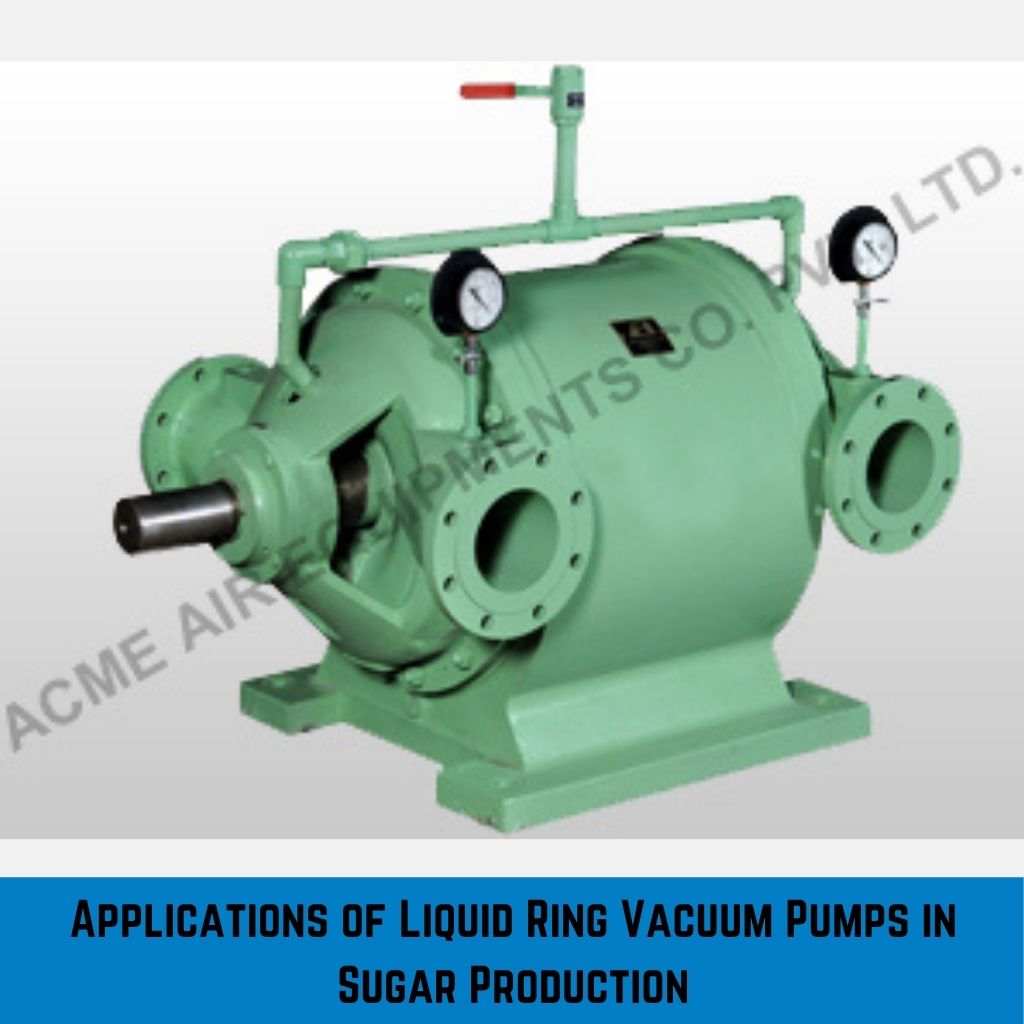
Applications of Liquid Ring Vacuum Pumps in Sugar Production
Sugar production involves various processes where liquid ring vacuum pumps are essential. Below are some key applications in sugar plants:
Juice Extraction and Filtration
In the sugar production process, extracting juice from sugarcane or sugar beets is one of the primary steps. Liquid ring vacuum pumps are employed in the vacuum filtration process, where the juice is separated from the fibrous material. The pumps help maintain a low-pressure environment, enabling effective juice extraction and filtration.
The pump’s ability to handle liquids and gases makes it ideal for the filtration of sugary liquids without introducing contamination. This ensures that the extracted juice is free of impurities and ready for further processing.
Evaporation and Concentration
After juice extraction, the juice undergoes evaporation to remove excess water, concentrating the sugar. Liquid ring vacuum pumps help create the necessary vacuum conditions in the evaporators, which reduces the boiling point of the juice. This allows for more efficient evaporation and concentration at lower temperatures, preserving the quality and taste of the sugar.
Dehydration and Drying of Sugar Crystals
Once sugar crystals are formed, they need to be dried to achieve the desired consistency and moisture content. Liquid ring vacuum pumps are used in the drying process to remove excess moisture from the sugar. They create a vacuum environment in the drying chambers, facilitating faster and more efficient moisture removal while maintaining the integrity of the sugar crystals.
Role of Liquid Ring Vacuum Pumps in Ethanol Production
Ethanol production relies heavily on distillation and fermentation processes, both of which benefit from the use of liquid ring vacuum pumps. Here’s a closer look at their applications in ethanol plants:
Fermentation Process
During the fermentation stage of ethanol production, yeast converts sugars into ethanol and carbon dioxide. Liquid ring vacuum pumps help to maintain the necessary pressure levels in the fermenters, ensuring that the fermentation process occurs efficiently. These pumps facilitate the removal of unwanted gases and help prevent excessive pressure buildup, ensuring optimal fermentation conditions.
Distillation and Degassing
Distillation is a key step in ethanol production, where ethanol is separated from other substances based on differences in boiling points. Liquid ring vacuum pumps are crucial in creating the vacuum conditions needed for distillation. The reduced pressure lowers the boiling point of ethanol, allowing for efficient separation and distillation at lower temperatures, which helps preserve the quality of the ethanol and reduces energy consumption.
Additionally, liquid ring vacuum pumps are used in the degassing process to remove dissolved gases from liquids, improving the overall quality of the ethanol produced.
Solvent Recovery
Ethanol plants often deal with solvent recovery during the production process. Liquid ring vacuum pumps are employed to maintain vacuum conditions in recovery systems, allowing for the efficient recovery of solvents such as alcohol. By maintaining a stable vacuum environment, these pumps ensure high recovery rates and reduce solvent losses, making the process more cost-effective and environmentally friendly.
Benefits of Liquid Ring Vacuum Pumps in Sugar and Ethanol Production
Liquid ring vacuum pumps offer several key benefits that make them the preferred choice for sugar and ethanol production plants:
Energy Efficiency
Liquid ring vacuum pumps are known for their energy efficiency. In processes like evaporation, distillation, and filtration, they reduce the energy required to maintain vacuum conditions by operating at lower speeds and with minimal mechanical friction. This leads to lower electricity consumption and operational costs.
Low Maintenance and Durability
These pumps are designed to be robust and durable, requiring minimal maintenance compared to other vacuum pump types. The simple design, along with the use of liquid for sealing, helps reduce wear and tear, making them ideal for continuous operation in demanding environments like sugar and ethanol production.
Versatility in Handling Wet Gases
The ability to handle wet or moisture-laden gases makes liquid ring vacuum pumps suitable for applications where the processed materials contain high moisture levels. This is particularly important in the sugar and ethanol industries, where liquids with varying moisture content need to be managed efficiently.
High Reliability and Consistent Performance
Liquid ring vacuum pumps provide consistent performance in maintaining vacuum conditions, ensuring that production processes run smoothly. Their reliability reduces the risk of system breakdowns, which can cause costly downtime in production.
Maintenance and Optimization of Liquid Ring Vacuum Pumps
To ensure the longevity and efficiency of liquid ring vacuum pumps, regular maintenance is necessary. Here are some best practices for optimizing pump performance:
Monitoring Fluid Levels
The sealing fluid in liquid ring vacuum pumps plays a crucial role in their operation. Regular monitoring of fluid levels ensures that the pump is functioning optimally and prevents damage due to inadequate lubrication or seal failure.
Cleaning and Inspection
Routine cleaning of the pump components is essential to avoid the buildup of impurities, which can affect pump performance. Regular inspections of parts such as the impeller, bearings, and seals help identify potential issues before they cause significant damage.
Fluid Quality Management
The quality of the sealing fluid impacts the pump’s efficiency and longevity. It’s important to use clean, high-quality fluids and replace them regularly to maintain optimal performance. Contaminated or degraded fluids can lead to pump failure and increased energy consumption.
Optimizing Pump Operation
Adjusting the operating parameters of liquid ring vacuum pumps, such as speed and pressure, can optimize their performance. Ensuring that the pump operates within the manufacturer’s recommended guidelines helps achieve energy savings and maintain consistent vacuum conditions.
Conclusion
Liquid ring vacuum pumps are indispensable components in both sugar and ethanol production plants. They facilitate crucial processes such as juice extraction, filtration, distillation, and solvent recovery, ensuring efficiency and high-quality output. Their energy efficiency, low maintenance requirements, and ability to handle wet gases make them a cost-effective and reliable solution for the demanding conditions in these industries. By following best practices for maintenance and optimization, plant operators can maximize the performance and lifespan of their liquid ring vacuum pumps, leading to better operational efficiency and reduced costs.
FAQs
What is the function of liquid ring vacuum pumps in sugar production?
Liquid ring vacuum pumps help maintain low pressure conditions for processes like juice extraction, filtration, evaporation, and drying of sugar crystals.
How do liquid ring vacuum pumps benefit ethanol production?
These pumps create the necessary vacuum conditions for fermentation, distillation, degassing, and solvent recovery, improving efficiency and reducing energy consumption.
Why are liquid ring vacuum pumps preferred in sugar and ethanol plants?
They are energy-efficient, low-maintenance, versatile in handling wet gases, and provide consistent performance, which is crucial for continuous operations.
What maintenance practices are required for liquid ring vacuum pumps?
Regular monitoring of fluid levels, cleaning, and inspection of components like the impeller and seals, along with managing fluid quality, ensures optimal performance.
Can liquid ring vacuum pumps handle wet gases?
Yes, liquid ring vacuum pumps are designed to handle wet gases, making them ideal for applications in sugar and ethanol production where moisture is present.
How do liquid ring vacuum pumps improve energy efficiency?
They operate at lower speeds with minimal friction, which reduces the energy required to maintain vacuum conditions during various production processes.
Are liquid ring vacuum pumps suitable for continuous operation?
Yes, they are highly durable and reliable, making them ideal for continuous operation in industries that require stable vacuum conditions.
What are the advantages of using liquid ring vacuum pumps in distillation?
They help maintain low pressure during distillation, lowering the boiling point of substances, and allowing for efficient separation at lower temperatures.
How can liquid ring vacuum pumps be optimized for better performance?
Optimizing fluid levels, cleaning the pump regularly, and adjusting operational parameters such as pressure and speed are key steps in maximizing pump performance.
What makes liquid ring vacuum pumps durable and low-maintenance?
Their simple design, use of liquid for sealing, and ability to handle moist environments contribute to their low maintenance needs and long-lasting reliability.
About Author
CEO
Mr. Vishwesh Pardeshi is the CEO of Acme Air Equipments Company Pvt. Ltd., an industrial and engineering goods manufacturing company based in Ahmedabad, Gujarat (India). He has taken over the responsibility from founding Partners and Directors of the Company, and is now leading a talented group of professionals since 2020 by bringing in vast industrial and management expertise. By qualification, he holds a Bachelor Degree in Mechanical Engineering and also holds a MBA degree from reputed institutes. Under his leadership, the Company has successfully executed prestigious projects by delivering high quality and world class products from a state of the art manufacturing facility which combines CNC-enabled precision manufacturing and strong after sales support. In line with the Vision, Mission and Core Values of the Organization, Mr. Vishwesh Pardeshi continues to drive Quality, Reliability and Global Expansion at Acme Air Equipments Co. Pvt. Ltd.