







Table of Contents
Dust Collection System Principle
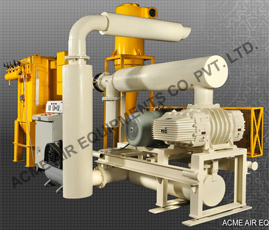
A Dust Collection System improves air quality and safety by collecting and removing particulate matter. The basic principle is capture, convey, and collect. Here are some of the components that make up a Dust Collection System. To better understand how one works, consider these factors. Ultimately, it will help you determine the best system for your needs. Let’s take a look! Here are a few common dust collection systems. They all work on the same basic principle: collect, convey, and capture.
Dust Extractor System Featuring Electrostatic Precipitator
An Electrostatic precipitator is a simple yet highly effective way to collect dust. It consists of two main parts, an electrically charged electrode and a grounded dust collecting electrode. Charged dust particles are attracted to the charging electrode by Coulomb force and fall to the collecting electrode. This process is highly effective for removing large amounts of dust from a variety of applications. To understand how electrostatic precipitators work, read the following paragraphs carefully.
Internal Components and Classifications of Dust Removal System
A basic precipitator consists of thin vertical wires and a stack of large, flat vertical metal plates spaced less than 1.3 cm apart. A gas stream flows between the wires and plates and is charged with a negative charge that attracts the particles. This process is efficient for capturing small, granular dust, as well as sticky and radioactive materials. There are three types of electrostatic precipitators: high-voltage, single-stage precipitators, and low-voltage, two-stage precipitators.
Dust Collection System Pleated Filter
Pleated filter dust collection systems use a cylindrical configuration supported by a metal core and end caps. Each pleat is supported by one or more metal end caps and is designed with variable-depth pleats and a flexible top to create a positive seal at the tube sheet. This design allows the filter to retain more dust and release it more efficiently than a standard bag. This allows the system to perform a higher number of cleaning cycles with less energy consumption, while also achieving better dust capture.
Airflow Capacity and Velocity Management in Dust Collection System
Another benefit of a pleated filter dust collection system is its capacity. The increased airstream allows for a larger volume of air. Additionally, the dust entering the collector is also lower velocity, which means it enters at a lower rate. This allows heavier dusts to enter the collector, which are less abrasive, to drop to a lower level. This also means that the filter bags won’t be ruined by a high level of resistance.
Dust Collectors Powered with Spun-Bond Filter
You have probably heard of Spun-bond before, but are you familiar with it? This fabric is the hero of any dust collector. As its name suggests, it is made from spun-bond polyester. The material is washable and moisture/chemical resistant. It is also highly resistant to high temperatures, especially if it has been treated with Fire Retardant. However, what makes Spunbond different from other fabrics?
Industrial Applications and Protection
These cartridges are designed to capture dust and contaminates from a variety of industries. They protect workers’ health and keep machinery in operation. These filter cartridges are designed to trap fine chemical powders, graphite dust, and other fine particles. This filter can also be used in sandblasting applications.
Dust Collector System Utilizing Spiral Pipe
Structural Integrity and Commercial Utility
Spiral piping is the preferred choice for commercial dust collection systems. Standard Snap-Lock ductwork may collapse under the suction pressure of a larger system, so spiral pipe is a necessary component. Spiral pipe fittings can be connected with Angle Ring Flanges and 4″ dia. Spiral pipe is available in either left or right-handed versions. Its spiral design reduces the need for joints and hangers.
Material Alternatives and Sizing Considerations
For the most efficient dust collection, consider using PVC. This material is lightweight and inexpensive. PVC pipe can be of various sizes, ranging from small to large. The thinnest type of pipe is usually used for sewer and drain lines, so 4″ PVC is a good choice for woodworking areas. Using this material won’t reduce the power of a central system. Instead, choose a size that is suitable for your sawdust and balances suction power with central system power.
Dust Collector Incorporating Quick-Clamp Pipe
The Quick-Clamp pipe dust collection system is the gold standard in cost and performance. This system features lever latches that securely grip the rolled ends of the pipe. It can be easily customized to suit your specific requirements. Whether you need to connect more than one machine or install a larger system, the Quick-Clamp is the answer. There are several advantages of this system, but the most important one is its ease of installation.
The Bottom Line: Economic and Operational Benefits of Dust Filtration System
Dust-collection systems have the ability to improve security, boost productivity, and save expenditures wherever they are employed to their maximum capabilities. They are made to improve both your business’s financial line and the workplace. Industry with dust control techniques are frequently in charge of ensuring that particle percentages within and outside the facility are adequate. This entails not just effective dust-collection and air filtering equipment, but also an examination of how the entire line or factory operates.
FAQs on Dust Collection System
What Makes Up a Dust Collection System?
What is the basic dust collection principle used in most industrial systems?
Most systems operate on the fundamental principle to capture, convey, and collect. First, the dust is captured at the source, then conveyed through ductwork, and finally collected in a filter or bin to be removed from the air stream.
How does the electrostatic precipitator working mechanism differ from standard filters?
Unlike fabric filters that physically trap debris, this mechanism uses an electrically charged electrode to attract dust particles to a grounded collecting plate. This allows for highly efficient removal of fine particles like smoke or sticky materials without clogging filters.
What are the benefits of choosing pleated filter vs bag filters for my dust collector?
Pleated filters offer a cylindrical design with variable-depth pleats, which provides a larger surface area for filtration. This design retains more dust, releases it more efficiently during cleaning cycles, and often results in lower energy consumption compared to standard bags.
Why are spun-bond filter media properties important for harsh environments?
Spun-bond polyester is washable, moisture-resistant, and capable of withstanding high temperatures. These properties make it the "hero" of dust collectors, ideal for handling difficult materials like fine chemical powders or graphite dust that would ruin standard cellulose filters.
Why is spiral ducting for commercial use preferred over snap-lock pipes?
Standard snap-lock ductwork is often too weak and may collapse under the high suction pressure of a large commercial system. Spiral piping provides the necessary structural rigidity and minimizes joints, preventing pressure loss and system failure.
Is using PVC pipe in woodworking effective for dust collection?
Yes, for specific applications like woodworking, 4-inch PVC pipe is a lightweight and cost-effective solution. It works well as long as the pipe size is balanced with the central system's power to maintain adequate suction without restricting airflow.
How do quick-clamp pipe fittings improve the installation process?
These fittings use lever latches to securely grip the rolled ends of pipes, making them the "gold standard" for ease of use. They allow for rapid installation and easy customization if you need to add new machines or reconfigure your workshop layout.
How does a pleated system contribute to energy efficient dust extraction?
Because pleated filters have a larger surface area, they reduce air resistance (pressure drop) across the filter. This allows the system to handle a larger volume of air with less resistance, meaning the fan motor doesn't have to work as hard, saving energy over time.
What role does a dust collection system play in industrial air filtration safety?
Beyond just keeping the shop clean, these systems are critical for security and health. By effectively removing hazardous particulate matter, they protect workers' lungs from long-term damage and reduce the risk of combustible dust fires, directly improving the business's bottom line.
Which system design is best for handling abrasive dust particles?
A pleated filter system is often superior for this. Because it allows for a larger volume of air at a lower velocity, heavy and abrasive dust particles enter the collector at a slower rate, dropping to the bottom rather than hitting and damaging the filter media.

CEO
Mr. Vishwesh Pardeshi is the CEO of Acme Air Equipments Company Pvt. Ltd., an industrial and engineering goods manufacturing company based in Ahmedabad, Gujarat (India). He has taken over the responsibility from founding Partners and Directors of the Company, and is now leading a talented group of professionals since 2020 by bringing in vast industrial and management expertise. By qualification, he holds a Bachelor Degree in Mechanical Engineering and also holds a MBA degree from reputed institutes. Under his leadership, the Company has successfully executed prestigious projects by delivering high quality and world class products from a state of the art manufacturing facility which combines CNC-enabled precision manufacturing and strong after sales support. In line with the Vision, Mission and Core Values of the Organization, Mr. Vishwesh Pardeshi continues to drive Quality, Reliability and Global Expansion at Acme Air Equipments Co. Pvt. Ltd.