






Table of Contents
Pneumatic Solutions for Cement and Aluminium: Optimizing Heavy Industry
This article aims to explore how modern air-based technologies revolutionize the transport of bulk materials in heavy industrial environments, specifically focusing on the efficiency, safety and operational streamlining within cement and aluminium production facilities.
Introduction
The industrial landscape of cement and aluminium production is defined by the sheer scale of materials involved. These facilities do not merely handle small packages; they manage mountains of raw resources that must be moved, processed and stored with absolute precision. In the past, this heavy lifting was largely dependent on mechanical belts, bucket elevators and manual labor-methods that often prone to spillage, mechanical failure and significant maintenance downtime. Today, the industry has shifted toward a more fluid solution. By harnessing the power of air, facilities can transport abrasive, heavy and fine materials through enclosed pipelines, fundamentally changing the operational flow of the plant.
Pneumatic System Fundamentals in Heavy Industry
A pneumatic system operates on a deceptively simple premise: using the energy of compressed air or gas to move bulk solids from one point to another. In the context of heavy industries like cement and aluminium smelting, this simplicity translates into robust reliability. Unlike mechanical conveyors that have hundreds of moving parts-rollers, bearings and belts-a pneumatic setup relies primarily on the air stream and a pipeline. This reduction in moving parts significantly lowers the risk of mechanical breakdown, a critical factor when a plant is operating continuous shifts.
For cement plants, where the environment is naturally dusty and the materials are abrasive, the ability to contain the product within a sealed pipe is a massive advantage. It prevents valuable product from escaping as fugitive dust and protects the machinery from the abrasive wear that usually plagues open mechanical systems.
Pneumatic Conveyor Working Principle Explained
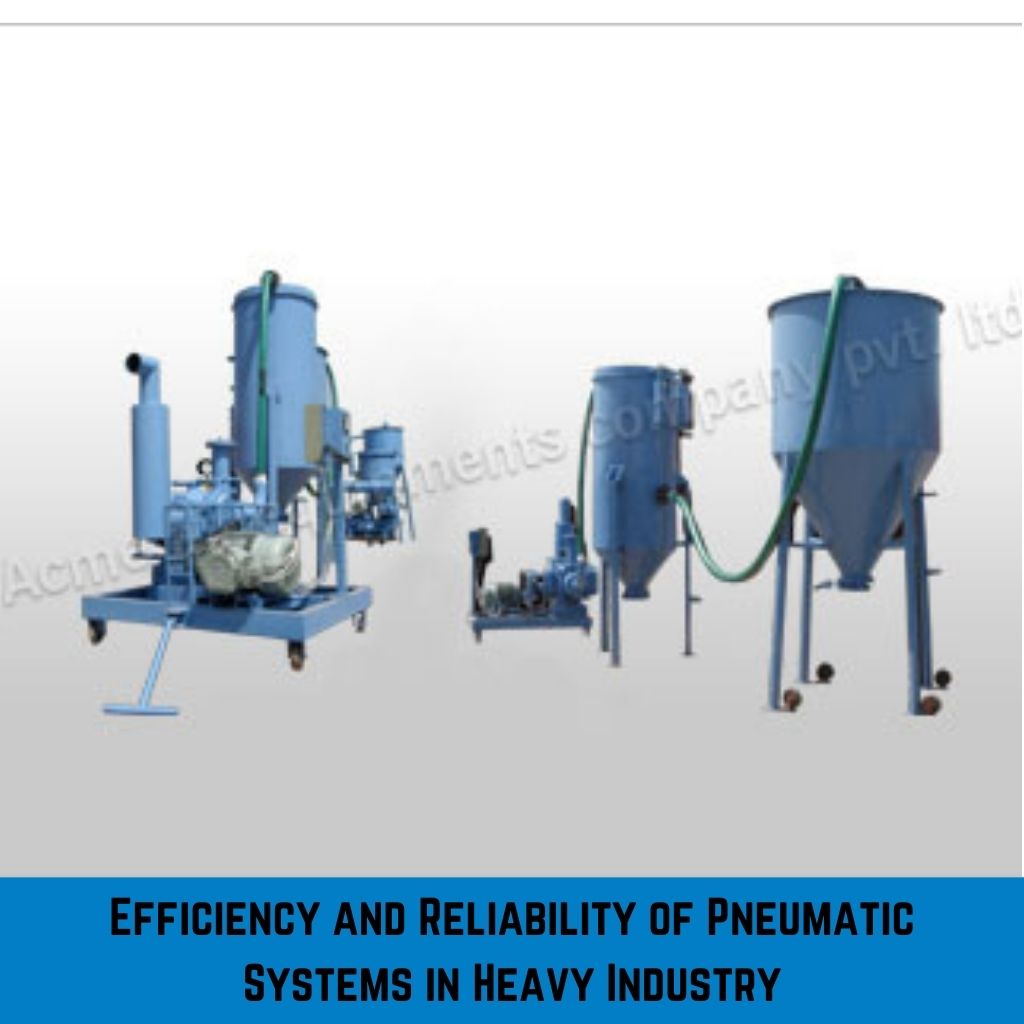
Understanding the pneumatic conveyor working principle requires looking at the relationship between air pressure and material flow. At its core, the process involves creating a pressure differential. A prime mover, such as a blower or a compressor, generates an air stream. The material is then introduced into this stream, becoming suspended or aerated. Once airborne, the material flows through the pipeline to its destination, where it is separated from the air using filters or cyclones.
The physics changes depending on the needs of the material. In some cases, the material floats freely in the air stream, moving at high speeds. In other configurations, the material moves in waves or slugs, pushed along by high pressure. This versatility allows plant operators to tune the system. For a fragile material, they might adjust the airflow to be gentle. For robust raw materials in a cement plant, they can dial in the pressure to maximize throughput over long distances.

Pneumatic Applications for Cement Production
Pneumatic applications in the cement industry are diverse and critical to almost every stage of the manufacturing process. Cement production involves moving materials that vary wildly in consistency, from crushed limestone and raw meal to the ultra-fine finished cement powder.
One of the primary challenges in this sector is the abrasive nature of clinker and the dusty nature of the finished product. Traditional open conveyors often result in heavy dust clouds, which pose health risks to workers and lead to material loss. Pneumatic solutions address this by keeping the material entirely enclosed. This is particularly vital when feeding the kiln or transporting fly ash, a common additive. Fly ash is incredibly fine and behaves almost like a fluid; pneumatic pipes transport it effortlessly from storage silos to the mixing plant without a speck of dust entering the facility’s atmosphere.
Pneumatic Conveying Systems in Aluminium Smelting
In the aluminium sector, pneumatic conveying systems are the lifeline of the smelter. The production of aluminium relies heavily on the continuous supply of alumina (aluminium oxide) and fluoride to the electrolysis pots. These materials must be delivered with high consistency and reliability. If the supply chain to the pots is interrupted, the smelting process can destabilize, leading to costly production halts.
The enclosed nature of these systems is crucial here as well. Alumina needs to remain dry and free from contaminants. Exposure to ambient humidity or dirt can ruin the smelting efficiency. By transporting alumina through sealed pneumatic lines, plants ensure the raw material arrives at the reduction cells in pristine condition. Furthermore, modern pot feeding systems use air-slides and dense phase pumps to deliver the exact amount of ore needed, ensuring the chemical balance of the smelter remains optimal.
Dense Phase Pneumatic Conveying for Abrasive Materials
When dealing with the most challenging materials, dense phase pneumatic conveying is often the method of choice. Unlike dilute phase conveying, where materials fly through the pipe at high velocity like a blizzard, dense phase moves material at a lower velocity but higher pressure. The material fills the pipe and moves in “plugs” or waves.
This approach is specifically advantageous for the cement and aluminium industries because it drastically reduces wear and tear. High-velocity particles act like sandpaper, quickly eroding pipelines and bends. by slowing the particles down and pushing them as a dense mass, the abrasive contact with the pipe walls is minimized. This extends the lifespan of the equipment and reduces the frequency of maintenance shutdowns. It is the ideal solution for transporting abrasive cement clinker or sandy alumina over long distances within the plant.
Pneumatic Vacuum Conveying System for Unloading
While positive pressure pushes material, a pneumatic vacuum conveying system pulls it. This technology is frequently employed at the receiving end of the plant logistics. When raw materials arrive by ship, barge or railcar, vacuum systems are used to suction the material out of the hold and transfer it into storage silos.
The vacuum principle ensures a dust-free environment during unloading. Because the system is under negative pressure, any leak in the pipeline sucks air in rather than blowing dust out. This is a major environmental compliance benefit for plants located near populated areas. It ensures that the unloading of dusty cargoes like limestone, coal or alumina does not result in a hazy atmosphere, keeping the operation clean and compliant with strict environmental regulations.
Pneumatic Conveying Equipment Essentials
The reliability of the entire operation depends on the quality of the pneumatic conveying equipment. This category encompasses more than just the pipes; it includes rotary valves, airlocks, blowers, compressors and filtration units.
The rotary valve, for instance, acts as the airlock that feeds material into the pressurized line while preventing the air from escaping backwards. In heavy industry applications, these valves must be hardened to withstand the constant abrasion of rock and metal ore. Similarly, the filtration units at the destination point are critical. They separate the solid material from the conveying air, ensuring that only clean air is exhausted back into the environment. Advanced monitoring systems are now integrated into this equipment, allowing operators to detect changes in pressure or flow rate, signalling potential blockages or wear before they cause a system failure.
Pneumatic Transport System Benefits for Plant Layout
A major, often overlooked advantage of a pneumatic transport system is its flexibility regarding plant layout. Mechanical conveyors like belts need to run in straight lines and require significant structural support. If a plant needs to expand or route material around a new building, mechanical belts can be incredibly restrictive and expensive to modify.
Pneumatic pipelines, however, can be routed almost anywhere. They can go vertically up walls, turn corners, run underground or traverse across rooftops. This flexibility allows cement and aluminium plants to optimize their available space. They can retrofit new storage silos or processing units into existing facilities without needing to completely redesign the material handling infrastructure. The pipes snake around obstacles, connecting the process stages in the most logical way possible, regardless of the physical distance or barriers between them.

Pneumatic Material Conveying Systems and Sustainability
Modern industrial operations are under immense pressure to improve sustainability and pneumatic material conveying systems contribute significantly to this goal. By containing dust, they prevent soil and water contamination in the surrounding area. Furthermore, because they can be automated and controlled with precision, they reduce energy waste.
In aluminium plants, specifically, the recovery of fluorides and dust from the potline gases is essential. Pneumatic systems transport this captured material back into the process to be reused. This “closed-loop” capability not only saves on raw material costs but also prevents hazardous waste from leaving the plant cycle. The ability to recycle dust and spillage efficiently is a hallmark of a streamlined, eco-friendly heavy industrial operation.
Pneumatic Conveyor Systems and Worker Safety
The implementation of pneumatic conveyor systems directly correlates to improved worker safety. Traditional bulk handling involves heavy machinery with exposed moving parts, creating nip points that can cause severe injury. Furthermore, the manual clearing of spillage from under belt conveyors is a common source of accidents.
Pneumatic systems eliminate these hazards. The moving parts are contained within the compressors and feeders, usually located in secured areas. The transport lines themselves are static. Additionally, by reducing airborne dust, the systems protect workers from respiratory issues associated with long-term exposure to cement silica or alumina dust. A cleaner plant is invariably a safer plant and pneumatic technology is the key driver in creating these hygienic industrial environments.
Conclusion
The future of the pneumatic conveyor in heavy industry looks toward even greater integration of smart technology. As plants move toward Industry 4.0, pneumatic systems are being equipped with sensors that analyze flow rates, pressure drops and energy consumption in real-time. This data allows for predictive maintenance, where the system can alert operators to a filter that needs changing or a valve that is showing signs of wear.
For the cement and aluminium sectors, this evolution means even higher uptime and efficiency. The ability to handle the heavy lifting with air, combined with intelligent control systems, ensures that these foundational industries can continue to supply the world’s construction and manufacturing needs with speed, safety and reliability.
Frequently Asked Questions
What is the main advantage of using pneumatic systems in cement plants?
The primary advantage is the total enclosure of material, which prevents dust emissions, reduces product loss and protects workers from hazardous respiratory conditions.
How does dense phase conveying differ from dilute phase conveying?
Dense phase moves material at low velocity and high pressure in "plugs" to reduce wear, whereas dilute phase suspends material in a high-velocity air stream.
Can pneumatic systems handle abrasive materials like alumina?
Yes, specifically designed dense phase systems reduce the speed of the particles, minimizing abrasion and extending the lifespan of the pipeline and components.
Are pneumatic conveyors flexible regarding installation?
Absolutely; pipelines can be routed vertically, around corners and over long distances, offering much greater layout flexibility than mechanical belts.
How do vacuum pneumatic systems help with environmental compliance?
Vacuum systems operate under negative pressure, meaning if a leak occurs, air is sucked in rather than dust blowing out, ensuring zero fugitive emissions.
About Author
CEO
Mr. Vishwesh Pardeshi is the CEO of Acme Air Equipments Company Pvt. Ltd., an industrial and engineering goods manufacturing company based in Ahmedabad, Gujarat (India). He has taken over the responsibility from founding Partners and Directors of the Company, and is now leading a talented group of professionals since 2020 by bringing in vast industrial and management expertise. By qualification, he holds a Bachelor Degree in Mechanical Engineering and also holds a MBA degree from reputed institutes. Under his leadership, the Company has successfully executed prestigious projects by delivering high quality and world class products from a state of the art manufacturing facility which combines CNC-enabled precision manufacturing and strong after sales support. In line with the Vision, Mission and Core Values of the Organization, Mr. Vishwesh Pardeshi continues to drive Quality, Reliability and Global Expansion at Acme Air Equipments Co. Pvt. Ltd.