







Table of Contents
Industrial Vacuum Pumps: Essential Guide to Buy
Navigating the industrial landscape to find the perfect machinery requires a keen understanding of both operational needs and the specific challenges of the manufacturing environment. This guide aims to simplify the selection process for businesses looking to invest in high-performance vacuum technology, ensuring that every purchase decision leads to long-term efficiency and operational excellence.
Navigating the Industrial Vacuum Landscape in India
The industrial sector in India is experiencing a robust expansion, driven by diverse applications ranging from chemical processing and pharmaceuticals to packaging and automotive manufacturing. At the heart of many of these operations lies the humble yet critical vacuum pump. Choosing the right equipment is not merely about picking a model off a catalog; it involves a deep dive into compatibility, efficiency and longevity. When operations depend on consistent pressure levels and suction capabilities, the features of your chosen equipment become the defining factor between seamless productivity and costly downtime.
For facility managers and procurement officers, the challenge often lies in distinguishing between standard equipment and high-performance solutions designed for the rigors of Indian industrial conditions. Factors such as ambient temperature, power fluctuations and dust levels play a significant role in how machinery performs over time. Therefore, understanding the core features that contribute to a pump’s resilience is essential.
Oil-Sealed Vacuum Pump Durability and Build Quality
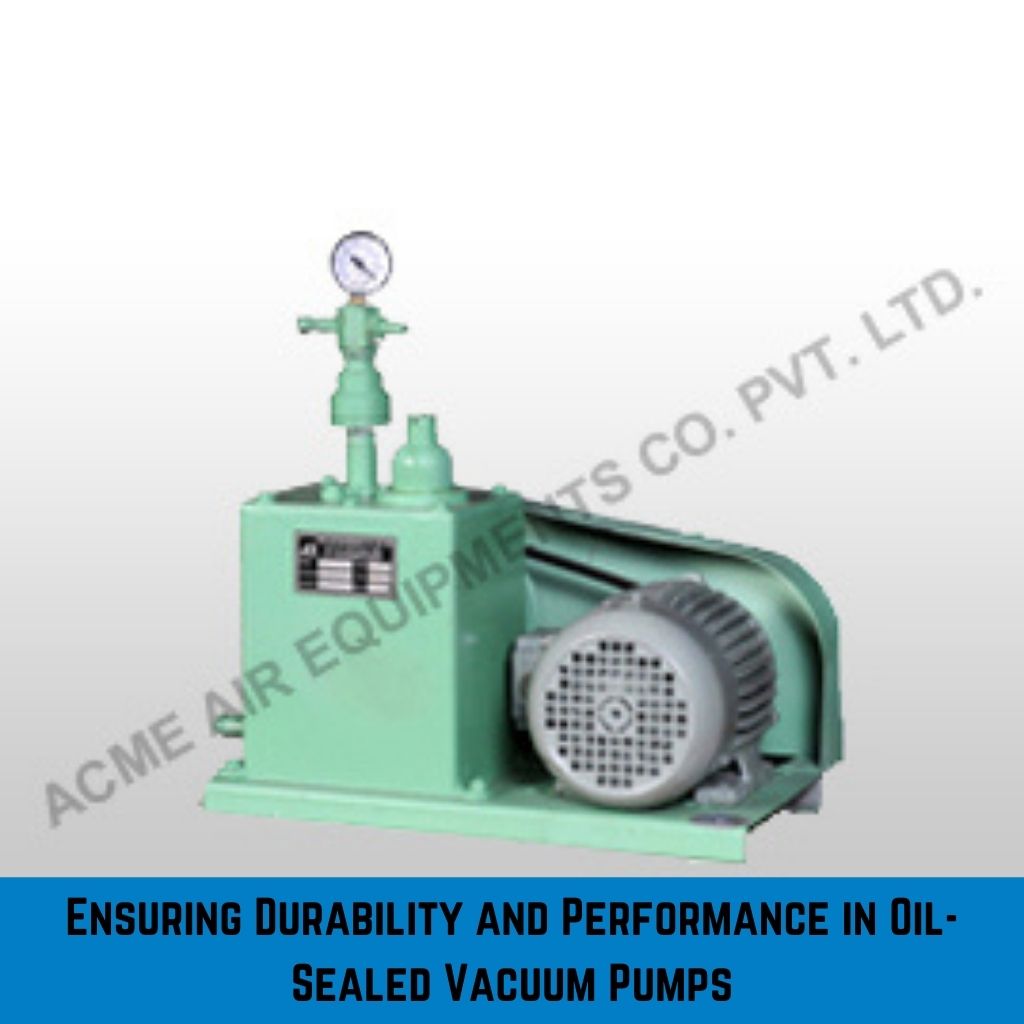
When evaluating potential investments, the structural integrity of the equipment is paramount. An oil-sealed vacuum pump is often the workhorse in many facilities due to its ability to handle difficult applications where deep vacuum levels are required. The primary feature to look for here is the construction material. High-grade cast iron or corrosion-resistant alloys are often necessary to withstand the chemical vapors and moisture that are common in industrial processing.
In an oil sealed vacuum pump, the vanes and rotors must be precision-engineered to minimize wear and tear. In the Indian context, where continuous operation is often expected, the pump’s ability to dissipate heat effectively is a crucial feature. Overheating can lead to the breakdown of the sealing oil, which compromises the vacuum and leads to mechanical failure. Therefore, superior cooling systems-whether air-cooled or water-cooled-should be top of the list when examining build quality. A robust build ensures that the pump maintains its performance curve even after thousands of hours of operation.
Industrial Vacuum Pump Features That Drive Efficiency
Modern industrial vacuum pump features have evolved to prioritize energy conservation without sacrificing suction power. One of the most critical features to look for is the specific power consumption ratio. This indicates how much energy the pump consumes to move a certain volume of gas. This allows the motor speed to adjust based on the vacuum demand, preventing energy wastage during non-peak cycles.
Another efficiency feature is the ultimate pressure capability. Depending on the application-be it freeze-drying or vacuum coating-the pump must achieve the required vacuum level quickly. A slow pump down time creates bottlenecks in production. Furthermore, modern pumps often come with integrated filtration systems that protect the internal mechanism from particulates, ensuring that the efficiency does not degrade due to contamination.
Vacuum Pump Manufacturers India: Assessing Support
The hardware is only as good as the support structure behind it. When sourcing equipment, investigating Vacuum pump manufacturers India is as important as checking the technical specifications. A top-tier manufacturer does not just sell a product; they provide a partnership. In the Indian market, proximity to service centers and the availability of spare parts are critical features that often go overlooked until a breakdown occurs.
Reliable manufacturers will offer comprehensive warranty terms and on-site support. They should be able to provide guidance on installation and commissioning to ensure the pump is integrated correctly into the existing workflow. Furthermore, leading manufacturers often provide training for the operational staff. Knowing how to correctly operate and troubleshoot the specific model of oil seal vacuum pump in india being used can prevent minor issues from escalating into major repairs. The reputation of the manufacturer regarding their response time to service calls is a feature that offers peace of mind.

Best Oil Sealed Vacuum Pump Selection for Versatility
Versatility is a key feature for industries that run multiple types of processes. The best oil sealed vacuum pump is one that can handle a variety of gas loads, including those containing water vapor. Many industrial processes generate moisture, which can emulsify with the oil in the pump, leading to poor lubrication and corrosion. To combat this, a gas ballast valve is an essential feature. This valve allows air to be introduced into the compression chamber, preventing vapors from condensing.
Versatility also implies ease of integration. The physical footprint of the pump matters in crowded factory floors. Compact designs that offer high performance per square foot are highly desirable. Additionally, the noise level is a feature that impacts the working environment. Pumps designed with low-vibration mountings and effective exhaust silencers contribute to a safer and more pleasant workspace, which is increasingly becoming a standard requirement in modern Indian factories.
Vacuum Pump Oil Seal Technology and Leak Prevention
The integrity of the vacuum depends entirely on the seal. Vacuum pump oil seal technology is the barrier that prevents the atmosphere from entering the process chamber and keeps the lubricating oil inside the mechanism. Advanced sealing technologies use specialized elastomers that are resistant to high temperatures and chemical attack. When buying a pump, one must inquire about the type of seals used and their expected lifespan.
Leakage is the enemy of efficiency. A high-quality oil seal vacuum pump will feature multiple sealing stages or labyrinth seals to ensure zero leakage. In applications where the process gas is hazardous or expensive, the quality of the seal becomes a safety feature as well as a performance one. The ease of replacing these seals is also a consideration; a design that allows for quick seal changes without dismantling the entire pump reduces maintenance downtime significantly.
Oil Seal Vacuum Pumps and Maintenance Accessibility
No mechanical device runs forever without care, but the design should facilitate easy upkeep. Oil seal vacuum pumps require regular oil changes, filter replacements and occasional vane inspections. A user-friendly design features easily accessible drain and fill ports, clear oil level sight glasses and modular components that can be serviced without special tools.
In the Indian industrial context, where specialized maintenance teams might be shared across a large facility, simplicity is a virtue. Features like an integrated oil mist eliminator are vital. This component captures oil from the exhaust gas and returns it to the pump, reducing oil consumption and keeping the surrounding air clean. This self-sustaining feature reduces the frequency of oil top-ups. Furthermore, pumps that come with diagnostic indicators-simple gauges or digital readouts-that alert operators to high temperatures or low oil levels help in predictive maintenance, preventing catastrophic failures.
Seal Oil Vacuum Pump Performance in High Temperatures
India’s climatic conditions can be demanding, with high ambient temperatures common in many industrial zones. A seal oil vacuum pump must be designed to operate reliably in these conditions. As the temperature rises, the viscosity of the oil changes, which can affect the seal and lubrication. Premium pumps feature advanced thermal management systems. This might include larger oil reservoirs to allow for better heat dissipation or oversized cooling fans.
The pump should be compatible with synthetic oils that offer better thermal stability than mineral oils. When the pump runs cooler, the oil lasts longer, the seals remain pliable and the vacuum performance remains stable. Ignoring the thermal features of a pump can lead to frequent overheating trips and shortened equipment life.

Oil-Sealed Vacuum Pump Application Compatibility
Finally, the alignment between the pump’s capabilities and the specific application is the ultimate feature to verify. An Oil-Sealed Vacuum Pump designed for a clean laboratory environment might fail miserably in a dusty woodworking shop. For dirty applications, the pump must feature robust inlet filtration and perhaps a larger tolerance for particulate ingestion.
For chemical applications, the internal coatings of the pump chamber are a critical feature. Coatings that resist acid or solvent attack extend the life of the pump significantly. Some pumps are tuned to provide high throughput at rough vacuum levels, while others are designed to hold a deep vacuum for extended periods.
Conclusion
Investing in industrial machinery is a strategic decision that impacts the smooth running of any manufacturing or processing facility. By focusing on robust construction, energy efficiency, reliable sealing technology and strong manufacturer support, businesses can secure a vacuum solution that stands the test of time. Whether it is a standard application or a complex chemical process, prioritizing these features ensures that the selected vacuum pump will deliver consistent performance, low operational costs and the reliability required to compete in the dynamic Indian market.
Frequently Asked Questions
How often should I change the oil in my vacuum pump?
Oil change frequency depends on usage intensity and contamination levels, but typically it should be checked weekly and changed every few months or when it becomes dark or cloudy.
Can I use any type of oil for my industrial pump?
No, you must use the specific grade and type of oil recommended by the manufacturer to ensure proper sealing, lubrication and heat dissipation.
What causes a vacuum pump to overheat?
Overheating is commonly caused by low oil levels, blocked air ventilation, using the wrong viscosity oil or running the pump beyond its design capacity.
Why is my pump not reaching the desired vacuum level?
This issue is often due to leaks in the system, degraded shaft seals, contaminated oil or clogged filters restricting airflow.
Is it better to repair an old pump or buy a new one?
If the repair cost exceeds half the price of a new unit or if the pump is significantly older and less energy-efficient, buying a new one is usually the better investment.
About Author

CEO
Mr. Vishwesh Pardeshi is the CEO of Acme Air Equipments Company Pvt. Ltd., an industrial and engineering goods manufacturing company based in Ahmedabad, Gujarat (India). He has taken over the responsibility from founding Partners and Directors of the Company, and is now leading a talented group of professionals since 2020 by bringing in vast industrial and management expertise. By qualification, he holds a Bachelor Degree in Mechanical Engineering and also holds a MBA degree from reputed institutes. Under his leadership, the Company has successfully executed prestigious projects by delivering high quality and world class products from a state of the art manufacturing facility which combines CNC-enabled precision manufacturing and strong after sales support. In line with the Vision, Mission and Core Values of the Organization, Mr. Vishwesh Pardeshi continues to drive Quality, Reliability and Global Expansion at Acme Air Equipments Co. Pvt. Ltd.