







Table of Contents
AI-Generated Summary:
This article provides an in-depth exploration of mechanical vacuum boosters and their role in chemical distillation and solvent recovery plants. The article covers the fundamental principles behind vacuum boosting, the importance of mechanical vacuum boosters in enhancing efficiency, energy savings, and operational stability. It also examines the types of vacuum boosters used in the industry, key benefits, and their integration into the distillation and recovery processes.
Introduction
In chemical distillation and solvent recovery plants, maintaining precise pressure levels is crucial for ensuring optimal process performance. A mechanical vacuum booster is an essential component in such systems, playing a critical role in enhancing vacuum levels and ensuring the efficient separation of chemical components. This article delves into the significance, working, and advantages of mechanical vacuum boosters in distillation and solvent recovery processes, offering insights that will help optimize industrial operations.
What are Mechanical Vacuum Boosters?
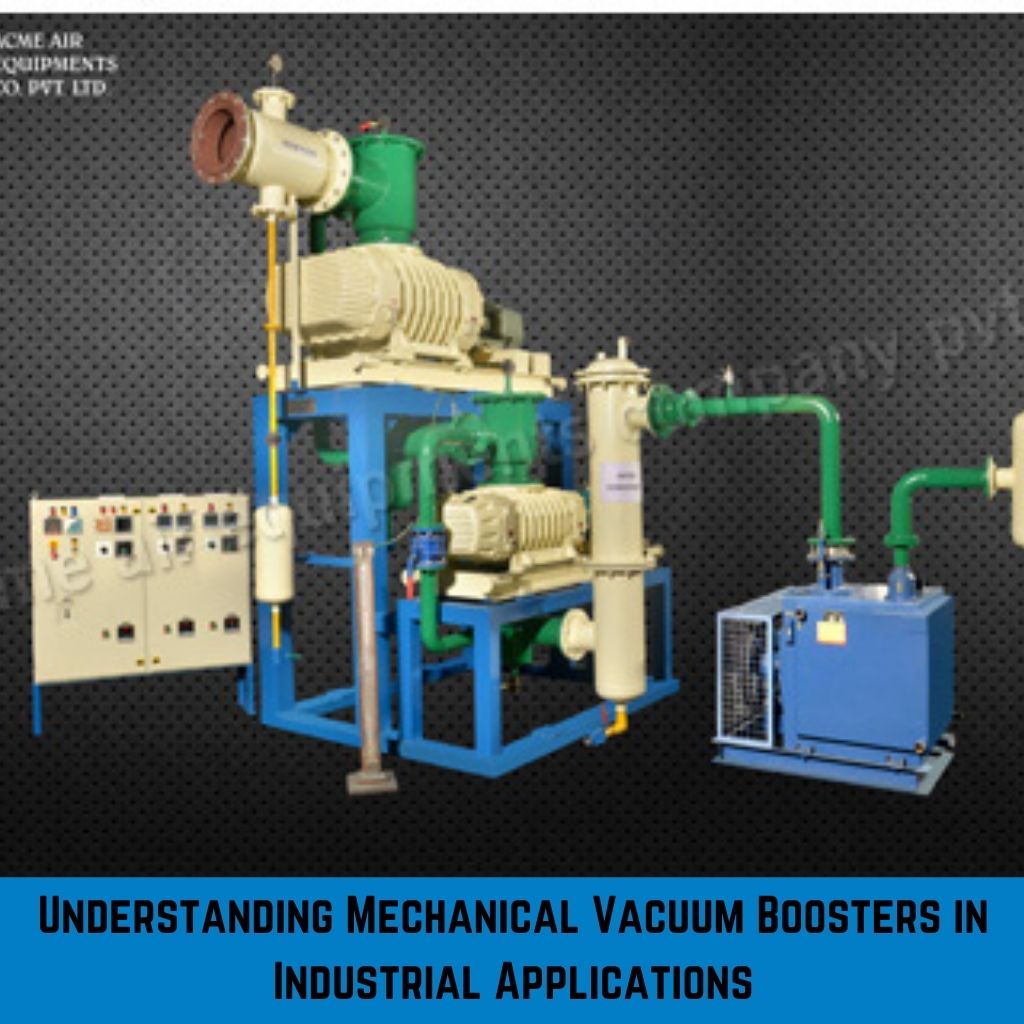
Mechanical vacuum boosters are devices used to enhance the vacuum levels in industrial applications. These devices work by mechanically increasing the vacuum pressure, which improves the efficiency of processes that rely on reduced pressure, such as distillation and solvent recovery.
In chemical distillation, the vacuum booster helps to maintain the necessary low pressure conditions, thereby reducing the boiling point of substances. This facilitates the separation of different components in the mixture, resulting in high purity products. In solvent recovery, the vacuum booster aids in the efficient recovery of solvents from industrial processes by ensuring that the recovery system maintains a consistent and optimal vacuum level.
How Do Mechanical Vacuum Boosters Work?
Mechanical vacuum boosters function by using a rotating mechanism to increase the velocity of gas flow, which in turn reduces the pressure within a system. These devices typically consist of a series of rotors or vanes that rotate at high speeds, creating a centrifugal force that helps accelerate gas towards the exhaust side. The booster acts as a pump, reducing the pressure inside the vacuum system and creating a more effective vacuum environment for the distillation or recovery process.
The core principle behind their operation is centrifugal force, which amplifies the vacuum level created by the primary pump. As a result, mechanical vacuum boosters enable plants to achieve the desired pressure level without the need for larger, more energy-intensive pumps.
Role of Mechanical Vacuum Boosters in Chemical Distillation
Chemical distillation is a widely used separation technique that relies on differences in boiling points to isolate various components from a liquid mixture. By applying heat, substances with lower boiling points evaporate first, and the resulting vapors are condensed into separate fractions.
In distillation processes, vacuum pressure is often employed to lower the boiling points of the components, allowing for efficient separation at lower temperatures. Mechanical vacuum boosters help maintain a steady vacuum level, ensuring that the distillation column operates effectively. By doing so, they contribute to several benefits:
- Energy Efficiency: Vacuum boosting helps reduce the overall energy consumption of distillation units, as it lowers the need for higher temperatures to achieve the desired separation.
- Increased Throughput: With improved vacuum conditions, distillation systems can process larger volumes of material in a shorter period.
- Improved Product Purity: Vacuum boosters help achieve more precise control over the distillation process, ensuring higher purity of the separated fractions.
Importance of Mechanical Vacuum Boosters in Solvent Recovery
In solvent recovery plants, the goal is to recover valuable solvents from waste streams, reducing the environmental impact of industrial operations. Mechanical vacuum boosters help optimize solvent recovery by maintaining an ideal vacuum environment throughout the recovery process.
The key roles of vacuum boosters in solvent recovery include:
- Maximizing Solvent Recovery Efficiency: By maintaining optimal vacuum conditions, the booster ensures that more solvent is captured from waste streams, reducing losses and enhancing recovery rates.
- Maintaining Consistent Vacuum Pressure: Mechanical vacuum boosters stabilize the pressure within the recovery system, improving the efficiency and reliability of the process.
- Reducing Operational Costs: Vacuum boosters minimize the energy needed to maintain a vacuum, which can significantly lower operating costs over time.
Our Other Product
Dust Collection SystemTypes of Mechanical Vacuum Boosters
Several types of mechanical vacuum boosters are used in chemical distillation and solvent recovery plants, including:
- Roots-type Vacuum Boosters: These are the most commonly used boosters in industrial applications. They feature two rotors that rotate in opposite directions, effectively creating a vacuum by drawing in and expelling gases.
- Liquid Ring Vacuum Boosters: Liquid ring vacuum boosters use a ring of liquid to seal the vacuum chamber and help maintain consistent pressure. They are particularly useful for applications that involve vapor or moisture-laden gases.
- Dry Claw Vacuum Boosters: These boosters use two intermeshing claws to create the vacuum, and they are often preferred for their dry operation, which makes them ideal for handling dry gases.
Each type of mechanical vacuum booster offers unique advantages depending on the specific requirements of the distillation or solvent recovery process.
Benefits of Using Mechanical Vacuum Boosters
- Energy Savings: By efficiently increasing vacuum levels without the need for large-scale pumps, mechanical vacuum boosters reduce overall energy consumption.
- Enhanced Process Control: Maintaining a consistent vacuum pressure ensures better control over distillation and solvent recovery processes, resulting in improved product quality and yield.
- Reduced Equipment Wear and Tear: The optimized performance of vacuum boosters reduces the strain on primary pumps and other system components, extending the lifespan of the equipment.
- Lower Operational Costs: By improving the efficiency of the vacuum system, mechanical vacuum boosters help minimize energy and maintenance costs, offering long-term savings.
Read Our Article
Mechanical Vacuum Boosters: Revolutionizing Re-Used Oil DistillationIntegration of Vacuum Boosters in Industrial Systems
Integrating mechanical vacuum boosters into chemical distillation and solvent recovery plants requires careful planning and consideration of the system’s specific requirements. Factors like vacuum level, flow rate, and operating conditions need to be assessed to determine the appropriate vacuum booster type and size.
Key Considerations for Integration:
- Compatibility with Existing Systems: Ensure that the vacuum booster is compatible with the current distillation or recovery setup to avoid operational disruptions.
- Maintenance and Serviceability: Choose a vacuum booster that is easy to maintain and service to minimize downtime and improve operational efficiency.
- Energy Efficiency: Select a booster with optimal energy consumption features to reduce long-term operational costs.
Conclusion
Mechanical vacuum boosters are invaluable components in chemical distillation and solvent recovery plants, contributing to enhanced process efficiency, energy savings, and improved product purity. By understanding the types, working principles, and advantages of these devices, industries can make informed decisions about optimizing their vacuum systems for better performance and cost-efficiency.
FAQs
Mechanical Vacuum Boosters in Chemical Distillation and Solvent Recovery Plants
What is a mechanical vacuum booster?
<ol>
<li style="list-style-type: none;">
<ul>
<li>A mechanical vacuum booster is a device that increases the vacuum pressure within a system, enhancing the efficiency of processes like chemical distillation and solvent recovery.</li>
</ul>
</li>
</ol>
How does a mechanical vacuum booster work?
<ol>
<li style="list-style-type: none;">
<ul>
<li>It works by using centrifugal force from rotating rotors to accelerate gases, reducing pressure and maintaining optimal vacuum conditions.</li>
</ul>
</li>
</ol>
What types of vacuum boosters are commonly used?
<ol>
<li style="list-style-type: none;">
<ul>
<li>The most common types include Roots-type, liquid ring, and dry claw vacuum boosters.</li>
</ul>
</li>
</ol>
Why is vacuum pressure important in chemical distillation?
<ol>
<li style="list-style-type: none;">
<ul>
<li>Vacuum pressure helps lower the boiling point of substances, facilitating easier separation of components in the distillation process.</li>
</ul>
</li>
</ol>
How do vacuum boosters improve solvent recovery efficiency?
<ol>
<li style="list-style-type: none;">
<ul>
<li>They maintain a consistent vacuum pressure, maximizing the recovery of solvents and improving process reliability.</li>
</ul>
</li>
</ol>
Can vacuum boosters reduce energy consumption?
<ol>
<li style="list-style-type: none;">
<ul>
<li>Yes, vacuum boosters enhance energy efficiency by maintaining lower vacuum levels, which reduces the need for high-temperature processes.</li>
</ul>
</li>
</ol>
What are the benefits of using mechanical vacuum boosters in industrial systems?
<ol>
<li style="list-style-type: none;">
<ul>
<li>They offer energy savings, improved process control, reduced wear on equipment, and lower operational costs.</li>
</ul>
</li>
</ol>
How do you choose the right vacuum booster for a plant?
<ol>
<li style="list-style-type: none;">
<ul>
<li>Consider factors like vacuum level, flow rate, and the nature of the gases involved to select the most appropriate vacuum booster.</li>
</ul>
</li>
</ol>
What industries benefit the most from mechanical vacuum boosters?
<ol>
<li style="list-style-type: none;">
<ul>
<li>Industries such as chemical processing, pharmaceuticals, oil and gas, and solvent recovery plants greatly benefit from mechanical vacuum boosters.</li>
</ul>
</li>
</ol>
Are mechanical vacuum boosters easy to maintain?
<ol>
<li style="list-style-type: none;">
<ul>
<li>Yes, most mechanical vacuum boosters are designed for easy maintenance, with accessible components for servicing and repairs.</li>
</ul>
</li>
</ol>

CEO
Mr. Vishwesh Pardeshi is the CEO of Acme Air Equipments Company Pvt. Ltd., an industrial and engineering goods manufacturing company based in Ahmedabad, Gujarat (India). He has taken over the responsibility from founding Partners and Directors of the Company, and is now leading a talented group of professionals since 2020 by bringing in vast industrial and management expertise. By qualification, he holds a Bachelor Degree in Mechanical Engineering and also holds a MBA degree from reputed institutes. Under his leadership, the Company has successfully executed prestigious projects by delivering high quality and world class products from a state of the art manufacturing facility which combines CNC-enabled precision manufacturing and strong after sales support. In line with the Vision, Mission and Core Values of the Organization, Mr. Vishwesh Pardeshi continues to drive Quality, Reliability and Global Expansion at Acme Air Equipments Co. Pvt. Ltd.